Caring for New Sod: The First 30 Days
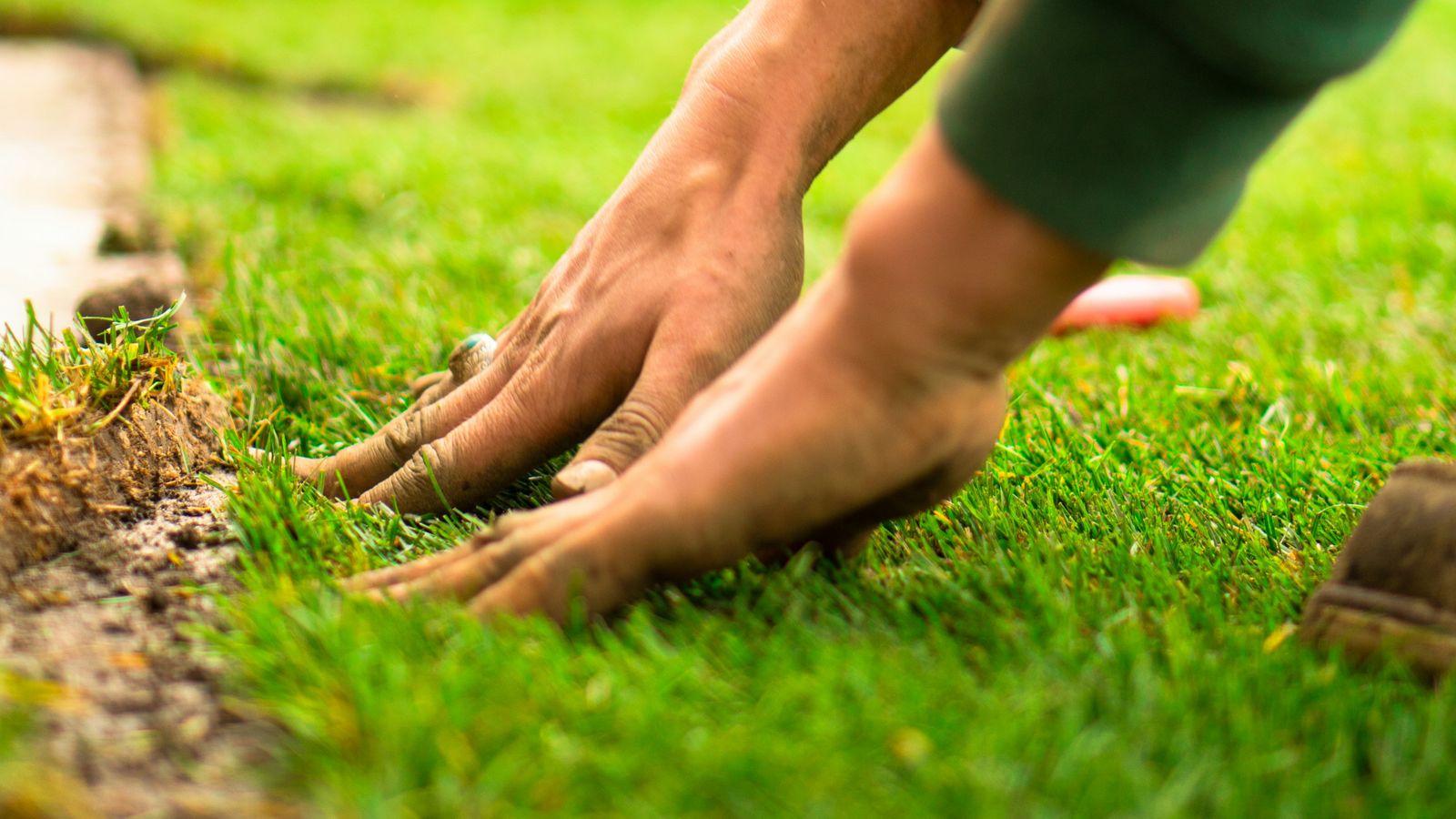
Table of Contents
Demo content — Cloverwell Lawn & Landscape is a fictional company. This site is a demo of the KeoCodes Site Engine: the people, prices, reviews, addresses and photos stand in for a real company's, and nothing sent from here reaches anybody.
Sod gives you a finished-looking lawn in an afternoon, but for the first few weeks it's really a lawn on life support. It arrives with most of its roots cut off and has to grow new ones into your soil. What you do in the first 30 days decides whether it knits in or turns into rolls of straw.
Day 1: the first watering is the biggest
Water within 30 minutes of installation, and keep going until the soil under the sod is wet 3 to 4 inches down. That usually means about an inch of water. Check by lifting a corner of a piece: the soil underneath should be dark and damp, and the back of the sod should be soaked.
Our crews start the first watering zone by zone as soon as each section is down, so the first pieces aren't drying out while we finish the last.
The watering schedule
| Days | How often | How much | Goal |
|---|---|---|---|
| 1–7 | 2–3 times a day | Short sessions, about 10 minutes per zone | Keep the sod and the soil beneath it constantly moist |
| 8–14 | Once a day | Longer, about 20 minutes per zone | Start pushing roots downward |
| 15–21 | Every other day | About half an inch each time | Roots follow the water deeper |
| 22–30 | 2–3 times a week | About 1 inch a week in total | Switch to the normal deep, infrequent routine |
The tug test
Around day 10 to 14, gently tug on a corner of a piece. If it lifts easily, the roots haven't grabbed yet. If it resists, roots are growing into the soil. Once most of the lawn passes the tug test, you can move to the less frequent watering above.
The first mow
Mow for the first time when the sod has rooted and the grass is about 4 inches tall, usually two to three weeks after installation. Make sure the lawn is dry enough that the mower won't leave ruts. Set the deck high — about 3 to 3.5 inches — and use a sharp blade. A light push mower is better than a heavy riding mower for the first couple of cuts.
What to avoid in the first month
- Heavy traffic. Keep kids, pets and wheelbarrows off it for the first two weeks, and limit traffic for the rest of the month. Footprints in soft, wet sod become low spots.
- Fertilizer. Most sod farms fertilize before harvest. Wait about six weeks before the first feeding.
- Weed killer. Wait until the lawn has been mowed at least three or four times.
- Overwatering. Soggy, squishy sod with standing water can rot. If the soil under the sod is sticky mud, skip a session.
- Rolling it again. We roll sod after installation to press it into the soil. Rolling again later compacts the soil you want roots to grow into.
Warning signs
- Gaps opening at seams. The sod is drying out and shrinking. Water more and push the pieces together if you can.
- Yellow or brown pieces. Usually too little water. Occasionally too much — lift a corner to check.
- A gray or fuzzy look in humid weather. That can be fungus. Water only in the morning so the grass dries during the day, and call us.
When to put down sod
In the Linden Valley, the best times to lay cool-season sod are late August through mid-October and, second best, April through May. Summer sod can work with a lot of water and attention. If you're planning a project, ask us about it on a free estimate.
If we installed your sod, your portal has a care sheet with your watering schedule and the date we'll come back for the first mow.
1 read
Questions & comments
Questions about your own lawn are welcome. We answer most within a day.
Be the first to comment.