Rake, Blow, or Mulch-Mow: What We Do With Fall Leaves
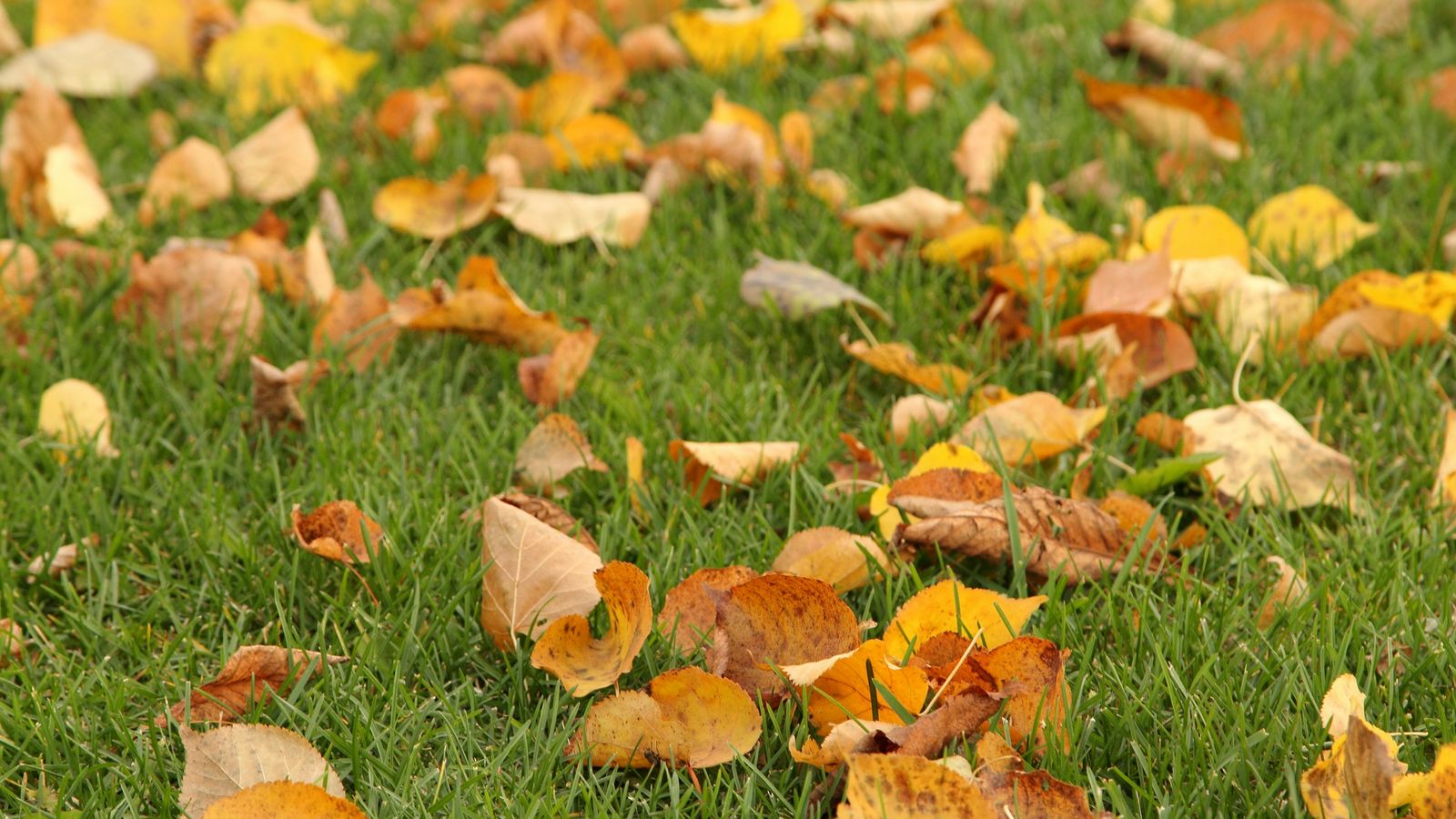
Table of Contents
Demo content — Cloverwell Lawn & Landscape is a fictional company. This site is a demo of the KeoCodes Site Engine: the people, prices, reviews, addresses and photos stand in for a real company's, and nothing sent from here reaches anybody.
The oaks and maples around Larkhaven start dropping in earnest around mid-October, and by the second week of November some of our Old Mill and Fox Hollow customers have leaves ankle-deep. Every fall we get the same question: do I have to rake all of this?
Not always. Here's how our crews decide.
Light layers: mulch-mow them in
If you can still see grass through the leaves, the easiest and best thing to do is mow right over them. A mulching mower chops leaves into dime-sized pieces that drop down between the grass blades. They break down over the winter and add organic matter to the soil.
Our rule of thumb on the route: after one pass with the mower, you should be able to see about half of the grass blades through the shredded leaves. If you can, leave it. If the lawn still looks covered, either make a second pass in a different direction or move to the next option.
Mulch-mowing works best when:
- The leaves are dry. Wet leaves clump and mat.
- The layer is under about an inch deep, or about 20 percent of the lawn's surface.
- You keep up with it weekly through peak drop instead of waiting for it all to come down.
That last point is why we keep mowing weekly through mid-November on Full Season and Weekly Care plans, even though the grass itself has slowed down. Most of those late visits are as much about leaves as grass.
Heavy layers: move them
A thick layer of whole leaves left on a lawn over winter blocks light, holds moisture against the grass and invites snow mold. Come April, you'll find yellow, matted patches where the piles sat. Newly seeded grass from fall aeration is especially at risk.
When leaves are too heavy to mulch, we blow them into windrows and pick them up with a vacuum trailer. Hand raking is slower but works fine for a homeowner, and it's gentler on new seedlings than a stiff rake or a blower on full power. Use a leaf rake with flexible tines and a light touch over freshly seeded areas.
Give them to your beds
Shredded leaves make good mulch for flower beds and around shrubs. Run them over with the mower first — whole leaves, especially big maple leaves, can mat into a waterproof layer in a bed. Shredded, they let water through and break down by summer.
Spread them about 2 to 3 inches deep and keep them a few inches back from shrub stems and tree trunks. Mulch piled against bark — the "volcano" you see around a lot of trees — holds moisture against the trunk, invites rot and gives rodents a winter home.
If you're not ready to use them, a corner leaf pile or a wire bin turns into leaf mold in a year or two: dark, crumbly material that's excellent mixed into garden soil.
What we haul away
Some leaves should leave the property:
- Leaves from trees with disease. If a tree had tar spot, anthracnose or heavy leaf spot this summer, we recommend removing those leaves rather than mulching them back in. It won't cure the tree, but it reduces how much disease is sitting on the ground in spring.
- Black walnut leaves near vegetable gardens. Walnuts release a compound that can stunt tomatoes and some other plants.
- Leaves on hard surfaces — driveways, walks, patios. Wet leaves get slippery and stain concrete.
- Whatever's left in early December. Our final cleanup visit clears lawns, beds and gutters at ground level so nothing sits over winter.
We take the leaves we collect to the county's composting site. They don't go to the landfill.
If you're doing it yourself
A few tips from our crews:
- Mow high. Keep the deck at about 3 to 3.5 inches while mulching leaves. Scalping the lawn in November doesn't help it.
- Go weekly. Two light passes are much easier than one big job.
- Clear the storm drains in front of your house. Leaves washed into the street clog drains and send nutrients into local streams.
- Check yard-waste pickup dates. In our fictional county, curbside yard waste goes in paper bags, not plastic, and runs weekly through the first week of December. Our Resources page has a printable schedule.
Book a cleanup
Our fall cleanup visits run through early December and fill up fast, especially the weeks before Thanksgiving. Existing customers can request a slot in their portal. If you're new, tell us about your yard and we'll fit you in.
1 read
Tags
Questions & comments
Questions about your own lawn are welcome. We answer most within a day.
Be the first to comment.