Clover Isn't the Enemy
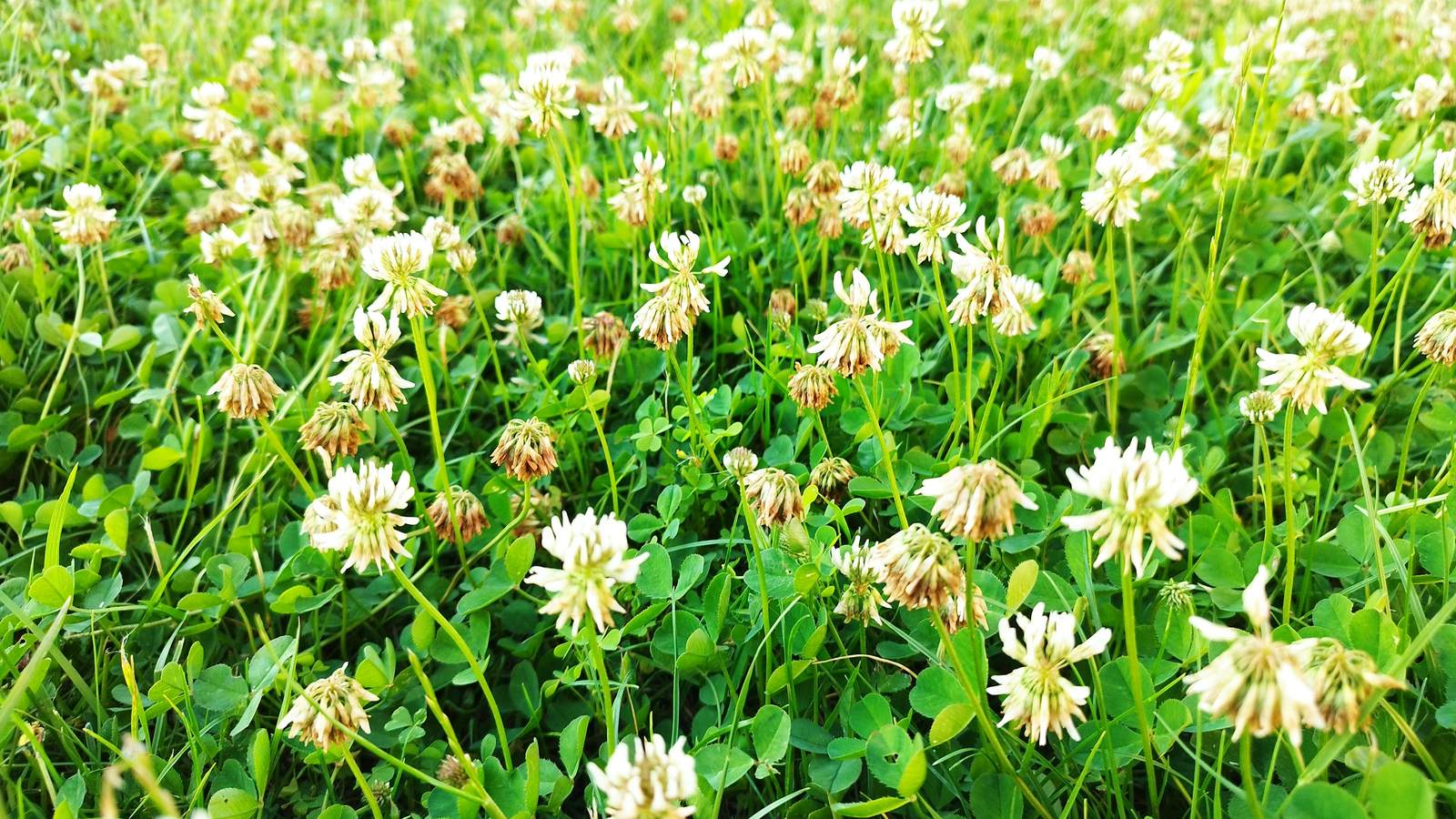
Table of Contents
Demo content — Cloverwell Lawn & Landscape is a fictional company. This site is a demo of the KeoCodes Site Engine: the people, prices, reviews, addresses and photos stand in for a real company's, and nothing sent from here reaches anybody.
Fifty years ago, white clover was part of almost every lawn seed mix sold in this country. Then broadleaf weed killers came along that killed clover along with dandelions, and the marketing changed to match: clover became a weed. A lot of homeowners still see it that way.
We don't. On most lawns, clover is doing useful work. Here's what it does, what it says about your soil, and how we handle it.
What clover does for a lawn
It feeds the grass. Clover is a legume. Bacteria in nodules on its roots pull nitrogen from the air and turn it into a form plants can use. A lawn with a healthy amount of clover needs noticeably less fertilizer, because the clover is making some of it.
It stays green in a drought. Clover roots go deeper than most turfgrass roots. In the dry stretch we usually get in late July, clover patches are often the last part of a lawn still green.
It holds up to traffic and poor soil. Clover handles compacted, low-nutrient soil better than grass does, which is exactly why it moves into tired lawns.
It feeds pollinators. Those white flowers are a real food source for honeybees and native bees from late spring through summer.
It stays short. White clover rarely grows taller than 4 to 6 inches, so it blends into a lawn mowed at 3.5 inches.
What clover is telling you
A lot of clover usually means two things: low nitrogen and compacted soil. The clover isn't the problem; it's the symptom. If you'd like a mostly-grass lawn, the fix is to make the soil better for grass:
- Get a soil test (we do one each spring on our Lawn Health and Full Season plans).
- Feed the lawn on a sensible schedule — most valley lawns do well with two or three feedings, weighted toward fall.
- Core aerate in the fall to relieve compaction.
- Mow at 3.5 to 4 inches so the grass shades out low-growing plants.
Do those things for a season or two and the grass will thicken and crowd out much of the clover on its own.
The bee question
If clover is flowering and you have kids who run barefoot or someone with a bee allergy, that matters. Two simple options:
- Mow before it blooms heavily. Mowing every five to seven days keeps most flowers cut back.
- Mow in the evening or early morning, when bees aren't foraging, if you want to give them the flowers during the day.
We note bee activity in visit reports when we see a lot of it, so you can decide.
How we handle clover on your lawn
Our default on Lawn Health plans is simple: we don't spray clover unless you ask us to. We spot-treat dandelions, plantain, creeping Charlie and other broadleaf weeds by hand sprayer, aiming at the weed and not blanketing the lawn. Clover gets left alone.
If you'd rather not have clover, tell us. We'll mark it on your care plan, and we'll treat it in the right window — fall, when broadleaf plants are pulling energy down into their roots and treatments work best. We'll also work on the soil so it doesn't simply come back next year.
We don't do whole-lawn broadcast weed control on a calendar. If a lawn doesn't need a treatment, it doesn't get one, and your visit report will say so.
Going the other way: adding clover on purpose
A growing number of our customers want more clover, not less. Microclover is a smaller-leaved variety of white clover bred for lawns. It's often added to a grass seed mix at about 5 to 10 percent by weight.
The best time to add it is the same as for grass seed: during fall aeration, when it has open holes to land in. A grass-and-clover lawn needs less fertilizer, less water and less mowing in midsummer. The trade-off is that clover doesn't hold up as well as grass to heavy play and can look patchy in winter, when it dies back to the roots.
The bottom line
A lawn doesn't have to be a single species of grass to look good. A thick lawn with some clover in it is healthier, cheaper to keep up and better for the bees than a thin lawn that gets sprayed every month.
If you want help deciding which way to take yours, ask on your next visit or request a free estimate. We'll give you our honest take either way.
1 read
Tags
Questions & comments (2)
Questions about your own lawn are welcome. We answer most within a day.
Nadia F.
May 21, 2026
Love this. We added microclover when we overseeded last fall and the back yard stayed green straight through that dry stretch in July. The bees are a bonus.
Marco Ruiz (Cloverwell crew lead)
May 21, 2026
Nadia, glad it worked out. Your yard is on our Thursday route, and the clover patches by the fence stay green longer than anything else on the block in August. We'll keep mowing on the early side of the day so the bees get the afternoon.